Metal roofs are durable, lightweight, and energy-efficient, offering long-lasting protection against San Francisco’s coastal winds and salt air. Our experts ensure precise installation of standing seam, steel, aluminum, or copper roofs, providing over 40 years of reliable service. Metal roofs help lower energy costs and are low-maintenance, making them a practical choice for your home.

Professional Roof Installation San Francisco By Expert Local Contractors You Can Trust
We install asphalt, metal, tile, and flat roofs, handle permits and inspections, and back every job with guaranteed quality and reliable materials.
Protect Your Home with Expert Roof Installation San Francisco
When it comes to your home, you deserve a roof that protects your family and investment. We understand San Francisco’s unique weather, building codes, and neighbourhoods, including how issues like San Francisco’s fog and humidity affect long-term roof performance.
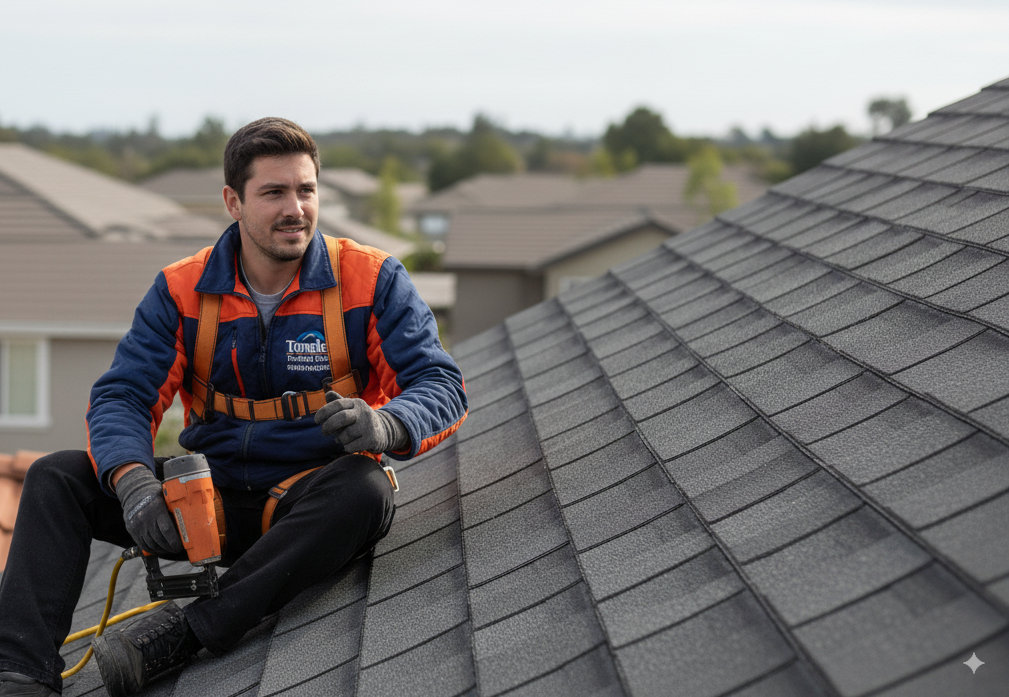
At Tom lee roofing our team gives honest estimates, manages all permits and inspections, and installs energy-efficient, high-quality roofs that stand the test of time. Every job is done by licensed professionals who treat your home like it’s their own.

Why San Francisco Trusts Us for New Roof Installation?
Expert Installation
Our roof installation experts ensure every detail is handled with care. We even focus on little details to ensure Your new roof installation is in good hands.
Premium Materials
Our roof contractor in San Francisco work with leading brands like Owens Corning and Atlas Roofing to ensure your roof lasts for years.
Skilled Local Experts
We understand San Francisco's unique weather and building codes. Our skilled roof installers ensure your roof meets all local standards and is installed flawlessly.
Warranties for Your Peace of Mind
Your roof is backed by both the manufacturer’s warranty and our promise. If anything goes wrong, we’ll take care of it, quickly and fairly.
Customized Solutions
We provide roofing solutions customized to fit your design preferences, budget, and property needs, ensuring the right materials and energy efficiency for your home.
Customized Solutions
We provide roofing solutions customized to fit your design preferences, budget, and property needs, ensuring the right materials and energy efficiency for your home.
24 /7 commercial roofing service
We provide 24/7 commercial roofing installation services for businesses that need fast, reliable, and uninterrupted project scheduling. Our team works around your operational hours to minimize downtime.
Residential Roof Installation
Roof Types Built for San Francisco Homes
Asphalt Shingle Roofs
Asphalt shingles are the most popular roofing option for homes in San Francisco. They offer reliability, versatility, and are cost-effective. If you need three-tab shingles or premium architectural shingles, we provide both ensuring expert installation service ensures you get long-lasting protection against wind, rain, and sun. We carefully install these shingles with proper underlayment and flashing, enhancing your home’s curb appeal and ensuring you’re protected for 20-30 years. With our new roof installation service, you’ll get a high-quality, affordable roofing system that’s built to last.


Tile Roofs (Clay & Concrete)
Tile roofs are ideal for Mediterranean or Spanish-style homes in San Francisco. Known for their durability and fire resistance, tile roofing in San Francisco offer timeless beauty while withstanding the region’s climate. With our home roofing installation services, ensure that your tile roof is properly installed, with the right support and ventilation to last 50+ years. We handle the installation giving attention to each detail, ensuring you get a roof that not only looks great but also provides long-term protection for your home. Check advantages of Clay tile roofing.
Metal Roofs


Slate Roofs
Slate roofs are super fancy and strong. They’re made from a special kind of rock called slate, which lasts a really long times like over 100 years! These roofs don’t catch fire easily, and they make a house look beautiful. But they’re heavy, so you need experts to put them on your house. If you want a roof that makes your home look amazing and lasts forever, slate is a great choice. Our contractors are expert in home roof installation and have done many slate roofs.
Wood Shake Roofs
Wood shake roofs are made from special wood, usually cedar, that has a cozy and natural appearance. They keep your house warm in winter and cool in summer. These roofs need to be taken care of, such as cleaning or occasionally fixing them, but they can last 30 to 40 years. They’re perfect if you want your house to look warm and friendly.


Cool Roofs
Cool roofs are awesome because they keep your house cooler by bouncing sunlight away. They’re usually light-colored, which helps them stay cool in hot weather. This can save money on air conditioning! In places like California, new houses have to use cool roofs because they save energy and help the planet.
Solar Roofs
Solar roofs are like regular roofs, but extra cool because they make electricity from the sun. They can save you money on your electric bill and help the environment. In sunny places like San Francisco, these roofs are a smart choice because they make your house more energy-smart and can even make it worth more money.


Skylights Installation San Francisco
Skylights are like windows on your roof. They let sunlight into your house, making rooms feel bright and happy. You won’t need to turn on lights as much during the day, which saves energy. Skylights are great for places like kitchens or bathrooms that need more light. You can get different kinds, like ones that open for fresh air or small tube-shaped ones.
Fed up of leaks or weather damage. Get safer & stronger roof?
Book your free roof assessment today and let our local San Francisco contractors guide you to the right roofing system.
Roofs for Businesses
San Francisco Industrial & Commercial Roofing
TPO and PVC Roofs
TPO and PVC roofs (flat roofing San Francisco) are great for flat-roofed buildings like stores or offices. They’re strong, bendy, and don’t cost too much. These roofs block harmful sun rays and keep buildings cool, which saves money on air conditioning. They’re easy to put on and can last 20 to 30 years with a little care.


Modified Bitumen Roofs
Modified bitumen roofs are tough and perfect for flat or slightly sloped business roofs. They’re great at keeping water out, even in bad weather. These roofs are made with layers that make them super strong, so they don’t get damaged easily. They can last 20 to 30 years and are good for buildings where lots of people walk on the roof.
Green Roofs
Green roofs are like gardens on top of buildings! They have plants, dirt, and a special system to catch rainwater. These roofs help keep buildings cool, clean the air, and make cities greener. They need extra care to keep the plants healthy, but they’re awesome for the environment and make buildings look special.


Spray Foam Roofs
Spray foam roofs are sprayed on as a liquid that turns into a hard, waterproof layer. They’re great for keeping buildings warm or cool, which saves money on energy. These roofs work well on weird-shaped roofs and can last up to 30 years. They’re perfect for businesses that want a strong, energy-saving roof.
Our 4-Step Process of Professional Roof Installation
Free Consultation & Roof Inspection
Our roof installation company start with a detailed inspection and a no-obligation quote to help you understand the scope of the project
Choosing the Best Materials
Our local roof specialist
guide you through material selection, ensuring you get the perfect roof for your property and budget.
Professional Installation
We handle everything from removing old roofing to installing the new one with precision and care.
Post-Installation Cleanup & Inspection
We leave no mess behind! A final inspection ensures your roof is flawless and ready to protect your home or business.
FAQs About Roof Installation
How long does it take to put these roofs on a house in San Francisco?
Roof installation time depends on your home’s size, the roofing material, and San Francisco’s weather conditions. Slate roofs usually take the longest because each stone piece is installed by hand, often taking one to three weeks. Wood shake, cool roofs, and spray foam systems are faster and typically take a few days. Solar roofs need around five to ten days because of the electrical setup. TPO and PVC flat roofs are also quick, usually completed in two to four days, while modified bitumen and green roofs fall in the mid-range, taking several days to complete. Our team works efficiently and adjusts to local weather so your installation is completed on time and with high-quality workmanship.
What should I look for in roof installation services near me?
Look for a roofing company that offers licensed installers, strong warranties, transparent pricing, and proven experience with your roof type. Always check reviews, recent projects, and whether they provide a free inspection before installation.
How do I choose the best residential roofing installation near me?
Choose a residential roofing installer who understands local building codes, offers multiple material options, and provides a written installation process. A good contractor will inspect your home, explain material choices (like asphalt, metal, or tile), and give a clear project timeline.
Do we need special tools or people to install these roofs?
Different roofs need different tools and trained specialists. Slate roofs require experts who can cut and set heavy stone tiles with precision. Wood shake roofs need tools for cutting wood and nail guns for fast, neat installation. Cool roofs use rollers or sprayers to apply reflective materials. Solar roofs need both roofers and electricians to install panels and connect the wiring safely. Flat roofs like TPO and PVC use heat-welding machines to seal the material tightly, while modified bitumen roofs require torches to bond multiple layers. Green roofs combine roofing tools with gardening equipment to install waterproof layers, soil, and plants. Spray foam roofs use large sprayers and safety gear to apply and cure the foam correctly. Our San Francisco team uses all the right tools and skills to install every roof safely and professionally.
Can we put these roofs on top of an old roof, or do we have to take it off?
Sometimes a new roof can be installed over an old one, but it depends on the roof type and the condition of the existing surface. Slate roofs always require the old roof to be removed because slate is extremely heavy and needs a strong, clean base. Wood shake roofs usually need a fresh start, but if the old roof is in excellent condition, an additional layer may be possible. Cool roofs can sometimes be applied as a coating over a good roof, but new cool roof tiles need a clean foundation. Solar roofs generally require a new roof for proper wiring, although standard solar panels can be mounted on a solid existing roof. TPO and PVC flat roofs can be installed over an old roof if it’s still in good shape, but damaged flat roofs must be removed. Modified bitumen can also go over a stable flat roof, while weak or leaking surfaces must be replaced. Green roofs almost always require starting fresh because the waterproofing, drainage, and plant layers need a clean, reinforced base. Spray foam roofing can safely go over a good roof since it’s lightweight, but old roofs with damage are removed first. We always offer a free inspection to determine whether your existing roof can stay or if a new foundation is needed.
How to Change my Photo from Admin Dashboard?
Far far away, behind the word mountains, far from the countries Vokalia and Consonantia, there live the blind texts. Separated they live in Bookmarksgrove right at the coast
What preparation is needed before installing these roofs in San Francisco?
Before installing any new roof, we prepare your home carefully to make sure the process is smooth and the roof lasts for years. Asphalt roofs require removing the old materials, checking the base for damage, and adding a waterproof layer. Metal and clay tile roofs need a clean base and a strong structure because the materials are heavier. Slate roofs also need a stable, reinforced foundation and a smooth surface for proper tile placement. Wood shake roofs require old roofing removal, a waterproof layer, and proper ventilation to prevent moisture issues. Cool roofs need a repaired and even base with added insulation, while solar roofs require a strong roof deck and waterproofing before connecting the solar components. Flat roofs like TPO, PVC, and modified bitumen are prepared by cleaning the surface, repairing any weak spots, and adding the right base layers so the materials bond properly. Green roofs need waterproofing, a drainage system, and a special base to support the plants. Spray foam roofs are prepared by cleaning the surface, fixing soft or damaged areas, and ensuring the roof is dry so the foam adheres tightly. We always provide a free inspection to confirm your home is ready for the installation stage.
Our Complete Roofing Services
Need a Roofer To Protect Your Shelter?
Give us call. Our team would love to help you